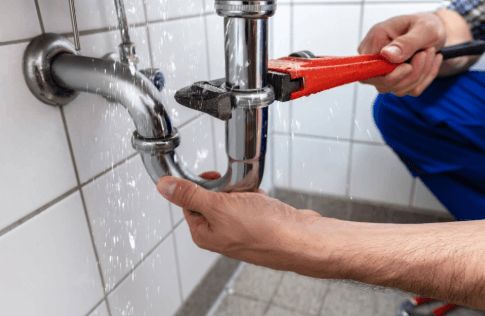
Identifying a leak requires a measured approach: locate the source, assess flow and severity, and gather a basic toolkit for inspection. Begin with accessible points, note symptoms, and document findings. Quick weekend fixes exist—tighten safe fittings, replace worn washers, and insulate exposed runs—but verify each step’s impact before proceeding farther. If leaks persist, a plumber will diagnose with calibrated tools, outline scope, time, costs, and required shutoffs, then carry out repairs with cleanup in mind. The next steps reveal what to expect and how to prepare.
Identify the Leak: Source, Severity, and Tools
Identifying a leak requires a structured approach: determine the source, assess the severity, and assemble the appropriate tools. The process identifies source locations, checks for active flow, and prioritizes access points. Tools needed include flashlight, wrench, sealing tape, and gauges. Quick fixes may exist, but weekend steps favor caution; know when to call plumber. Emphasize preventive habits and leak prevention.
Quick Fixes You Can Do This Weekend
Quick fixes this weekend can stem leaks without expert intervention, provided safety and limits are observed.
The guide presents practical steps: inspect fixtures, tighten fittings, and replace worn washers in a controlled sequence.
Avoid over-tightening to prevent damage.
Consider fixing faucet drips with immediate parts.
Apply pipe insulation to exposed runs to reduce condensation and energy waste.
When to Call a Plumber and What to Expect
When should a plumber be called, and what should a homeowner expect during service? Professionals assess leaks, verify pressure, and identify causes with calibrated tools. They communicate scope, time, and costs upfront, then perform diagnostic checks, shutoffs, and repairs. Expect transparency, measured work, and cleanups. Homeowners should know: choosing tools and methods varies by system, yet safety and code adherence remain priorities.
Preventive Habits to Stop Leaks Before They Start
Preventive habits focus on routine checks and deliberate maintenance to reduce the likelihood of leaks. Regular inspections identify weak joints, corrosion, and hidden drips before escalation. Implement scheduled tests for water hammer indicators, secure supports, and proper pipe insulation. Address leaky faucets promptly, unclogging drains when necessary, and maintaining venting. Consistent practice minimizes disruption, preserves pressure, and extends system longevity with intentional, pragmatic care.
See also: How Regulations Will Shape Crypto
Conclusion
A pause of coincidence ties the home’s quiet rhythms to the moment a drip becomes drama. The reader discovers that small, timely fixes align with bigger outcomes: a tight seal today prevents a flood tomorrow. When to escalate is clear, not fear-driven, and the plan remains practical—identify, inspect, apply simple fixes, then call in a plumber if needed. In this rhythm, preparation and patience converge, turning a potential crisis into a controlled, repeatable maintenance routine.