1. Introduction: Exploring Uganda with a 4×4 Rooftop Tent Rental
Uganda is one of those countries where the journey can be as good as the destination. Savannah plains, crater lakes, thick forest, the Nile thundering through a gorge: it’s all within reach if you’re willing to drive. The catch? Lodges are spread far apart, schedules get tied to someone else’s plans, and a bad road can wreck a tight itinerary.
That’s exactly why a 4×4 roof top rental in Uganda appeals to so many independent travelers. You get a capable vehicle and a bed on the roof, all in one booking. You pick the pace, stop when a view deserves it, and sleep at designated campsites instead of racing toward a lodge before dark.
It isn’t effortless, though. Roads can be rough, costs add up, and a bit of preparation goes a long way. This guide walks through what to expect so you can decide with open eyes.
2. What Is a 4×4 Rooftop Tent Rental in Uganda?
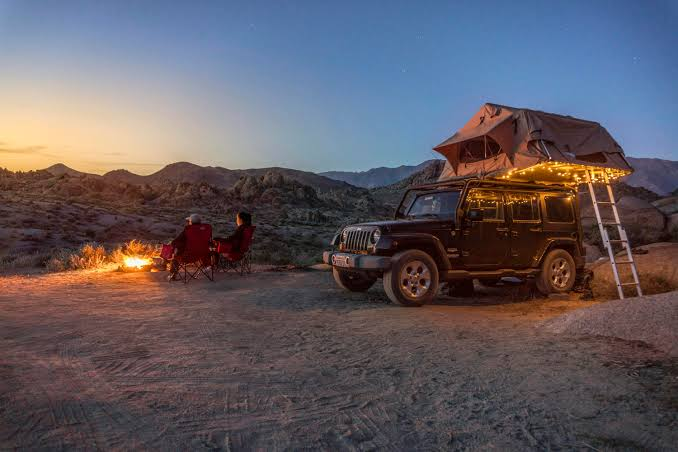
Picture a four-wheel-drive vehicle with a fold-out tent bolted to its roof. At camp, you unlatch it, open it up, climb a ladder, and that’s your bedroom for the night. Fold it back down in the morning and you’re on the road again.
This is different from a standard safari rental, which gets you from A to B but leaves accommodation entirely to you. A rooftop setup usually comes with camping gear as well, so the vehicle doubles as your base.
It suits couples, photographers, small groups, and anyone who likes a degree of independence. One thing to keep in mind: you can’t just pull over anywhere and pop the tent open. Overnight stops generally need to be at designated or authorized camping areas, so plan your nights around those.
3. Which 4×4 Vehicles Work Best for Rooftop Camping in Uganda?
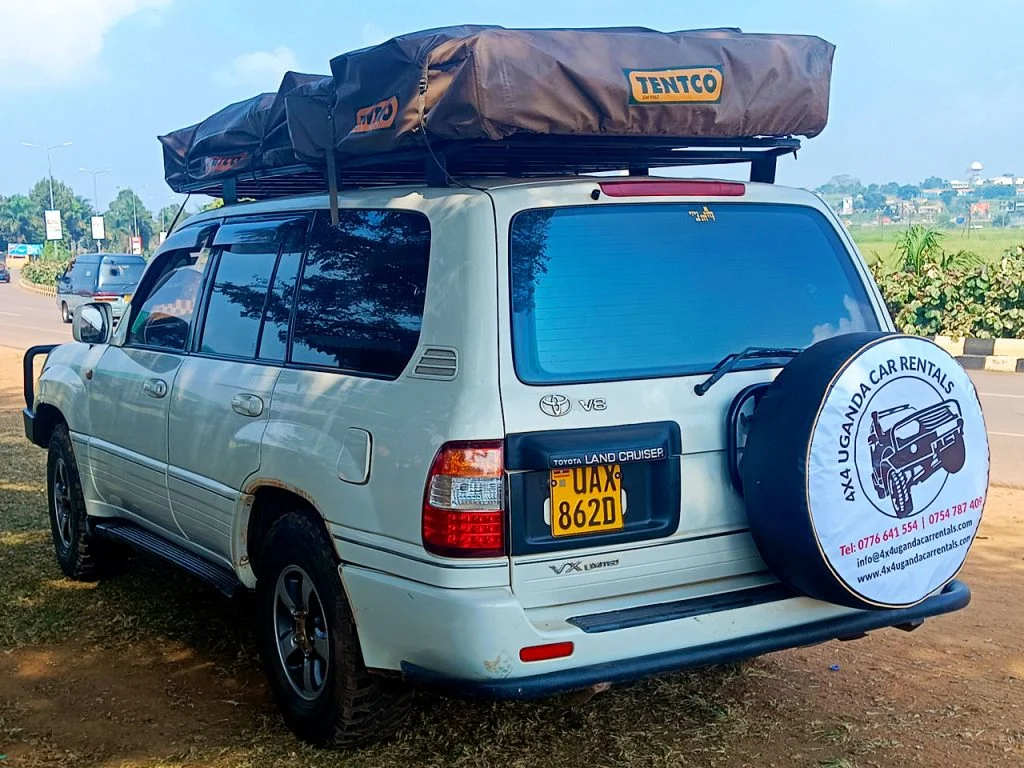
Most operators offer Toyota models, and what’s on the fleet list depends on availability. Always ask which exact vehicle you’ll get, because configurations vary from one unit to the next.
Toyota Land Cruiser for Remote Safari Routes
The Land Cruiser is the one many people picture first. It’s tough, roomy, and comfortable on rough access roads, with enough ground clearance for the rutted tracks you’ll meet near some park gates. Check how much luggage space is left once the camping kit is loaded, since that differs between setups.
Toyota Hilux with a Rooftop Tent
A pickup-based setup keeps the camping gear in the back, away from passengers. It works well for couples and for longer drives with plenty of supplies. Rear-seat comfort is worth asking about if you’re covering big distances day after day.
Single or Double Rooftop Tent?
A single tent sleeps fewer people but is lighter and simpler. A double gives more room, though you should confirm the vehicle’s roof-load limit and that the tent was properly fitted. Before you accept the keys, climb the ladder yourself. If it wobbles in the car park, it’ll feel worse at midnight.
4. What’s Included in a 4×4 Rooftop Rental Package?
Vehicle, Tent, and Camping Gear
The usual kit covers the rooftop tent, mattress, camping chairs, a table, a cooking stove, utensils, and storage boxes. Bedding arrangements differ, so ask. A fridge, recovery equipment, or extra gear may be optional add-ons rather than standard.
Insurance, Mileage, and Roadside Help
Read the insurance terms carefully: what’s covered, what the excess is, and what isn’t covered at all. Find out whether mileage is capped and what happens if the vehicle breaks down in a remote area. Before leaving the yard, inspect the tires, confirm there’s a proper spare, and make sure the jack and tools are on board. Save the emergency contact number somewhere you can reach it without mobile data.
5. How Much Does a 4×4 Rooftop Tent Rental Cost in Uganda?
There’s no single price, and I’d be wary of anyone who quotes one without asking questions first. Rates shift with the vehicle model, the time of year, how many days you need, how much camping gear comes with it, and what insurance you choose.
The daily rate is only part of the story. Over a ten-day trip, fuel, park entrance fees, campsite charges, and permits can add up fast. Some travelers also hire a driver for part of the route, which changes the budget again.
Cost Components to Check Before You Book
| Cost Component | What Travelers Should Check |
| Daily vehicle rental | Vehicle type and seasonal rate |
| Rooftop tent | Included or additional charge |
| Camping equipment | Full kit or selected items |
| Insurance | Coverage, exclusions, and excess |
| Fuel | Estimated consumption and route distance |
| Campsites | Nightly fees and available facilities |
| Park entrance | Applicable visitor and vehicle charges |
| Cross-border travel | Authorization and extra charges |
Use verified, current quotations from the operator rather than fixed prices you find floating around online.
6. Best Places to Explore in Uganda with a Rooftop Camping 4×4
Murchison Falls National Park
This is the classic northern stop. Game drives run along the Nile, and the river scenery is a big part of the appeal. Access roads can be tough, so allow extra time and check conditions before you set off.
Queen Elizabeth National Park
Expect open savannah, plenty of wildlife, and designated campsites. Park access rules apply here, so sort out your overnight plans ahead of time rather than hoping for the best at the gate.
Lake Mburo National Park
Smaller and easier, which makes it a sensible park for the start or end of a trip. It’s a gentle way to get used to the vehicle and the tent before heading somewhere remote.
Bwindi Impenetrable National Park and Mgahinga Gorilla National Park
Expect steep mountain roads, changing weather, and fewer camping options. You’ll need to line up suitable overnight facilities in advance. Gorilla trekking is a separate matter altogether: permits are required and need advance planning.
7. A Sample 10-Day Self-Drive Route from Entebbe
Here’s one way to stitch the parks together. Treat the driving times as rough guides only. Ask your operator and check current road conditions, because they change with the weather and roadworks.
The Northern Leg
Day 1: Entebbe or Kampala to Murchison Falls
Pick up the vehicle, get the tent demo, and head north. It’s a long driving day, so leave early and aim to reach camp in daylight.
Days 2 and 3: Murchison Falls
Spend a full day on game drives and the Nile. Use the second day to rest, or explore at an easy pace.
The Southwestern Leg
Days 4 and 5: Travel South to Queen Elizabeth
Day 4 is mostly driving. Day 5 is for wildlife viewing at a relaxed pace.
Days 6 and 7: Toward Bwindi or Mgahinga
Mountain roads slow everything down. If you’re trekking gorillas, your permit dates decide this part of the plan, and you’ll need to organize overnight facilities near the trekking area.
The Return Leg
Days 8 and 9: Lake Mburo
Wind down with a shorter drive and a final night under canvas, or rather on the roof.
Day 10: Back to Entebbe
Return the vehicle with time to spare before any flight. Clean the gear, hand the kit back, and check the vehicle over with the operator.
8. Planning a Self-Drive Safari: Roads, Fuel, and Safety
Not every road looks like the one on your map. You’ll hit paved highways, gravel stretches, muddy tracks, and steep mountain approaches, sometimes within the same day. In the rainy season, journeys can take much longer and some routes become hard going.
Plan fuel stops before remote stretches, and don’t trust the arrival time your phone gives you. It rarely accounts for potholes, trucks, or a herd of cattle on the road. Try to be at your campsite before dark, keep your speed sensible, and watch for wildlife. Park driving rules apply once you’re inside, so check them at the gate.
When you sort out your Uganda car rental, ask what licence the operator needs from you, read the rental agreement properly, and be clear on who’s responsible for what if something goes wrong.
9. Rooftop Camping in Uganda: Tips for a Comfortable Night
Start with the campsite. Choose an authorized one with decent parking, sanitation, and security. Park on level ground before opening the tent, and check where the ladder sits before you climb.
Food needs care. Keep it secured and out of sight, follow the campsite’s wildlife instructions, and don’t leave supplies outside overnight.
Comfort comes down to small things: ventilation, mosquito protection, and a rain cover if the weather turns. Damp bedding is a common headache, so air it out when you can. And when you pack up, close the tent properly before driving. A badly stowed tent is noisy, and worse, it isn’t safe.
10. Uganda and Kenya Rooftop Camping: Cross-Border Considerations
Rooftop Camping Across East Africa
Some travelers want more than one country on a single trip, and Africa roof top car rental can make that kind of independent overland journey possible. Just remember that vehicle specifications, campsite availability, and national park rules differ from one destination to the next, so don’t assume what works in Uganda applies everywhere.
Renting for Uganda–Kenya Travel
If you’re thinking about crossing the border, look into Kenya car rental arrangements early. Ask about cross-border authorization, whether the insurance stays valid on the other side, and where the vehicle has to be returned.
A separate Kenyan safari, or a longer regional itinerary, may be a better fit for 4×4 self drive Kenya options than stretching a Ugandan booking across the border. Whatever you decide, get border documentation and the rental company’s written permission sorted before you finalize any international route.
11. How to Choose a Reliable Rooftop Rental Company in Uganda
Look past the photos. Ask about the actual age and condition of the vehicle, the quality of the tent, and what camping gear is really supplied.
Get a written quotation that spells out inclusions, exclusions, insurance, and the security deposit. Find out how customer support works and what happens if the vehicle needs replacing mid-trip.
Before leaving, insist on a full vehicle inspection and a hands-on tent demonstration. Finally, confirm where you’ll collect and return the vehicle, whether that’s Entebbe, Kampala, or another agreed location.
Final Thoughts: Is a Rooftop 4×4 Right for Your Uganda Safari?
Rolling your transport and your bed into one vehicle is a real convenience, and it gives you freedom few other options do. Whether it suits you depends on the roads you’ll face, your driving experience, your budget, and how much comfort you need at night. Before you commit, confirm the vehicle specs, the camping arrangements, the rental conditions, and what the season means for access to the parks on your list.
12. Frequently Asked Questions About 4×4 Rooftop Rentals in Uganda
Is a rooftop tent 4×4 suitable for first-time self-drive visitors?
Yes, if you’re confident driving on rough roads and on the left. Start with easier parks like Lake Mburo before tackling remote routes.
Can I sleep in a rooftop tent inside Uganda’s national parks?
Only at designated or authorized campsites. Don’t plan on pitching up anywhere you like, and confirm each campsite before you travel.
Do I need a special driving licence to rent a 4×4 in Uganda?
Requirements vary by operator, so ask what licence and documents they want from you before booking.
Is a rooftop tent comfortable in the rainy season?
It can be, with a good rain cover and ventilation. The roads are usually the bigger problem, so allow extra time.
Can I take a Ugandan rental across the border into Kenya?
Only with the company’s written permission and the right insurance and documents. Never assume it’s allowed.
Is fuel included in a rooftop rental package?
Often not, but it depends on the operator. Check your quotation and budget fuel separately.