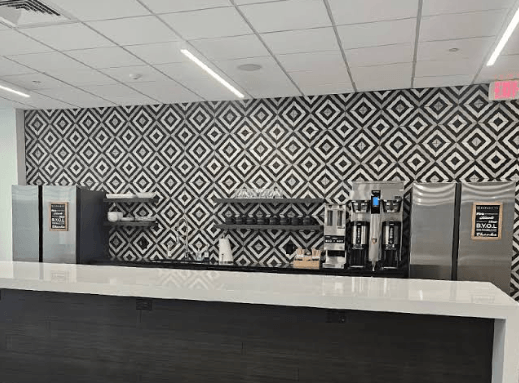
When embarking on a home improvement project, choosing the right tiles can significantly impact the overall design and functionality of a space. With options ranging from Cement Tile Shop to traditional tile stores, homeowners and interior designers must evaluate which option offers better design flexibility. This article will delve into the characteristics of each, comparing customization possibilities and aesthetic appeal to guide you in making an informed decision.
Cement Tile Shop: A New Era of Design Flexibility
Cement Tile Shop is renowned for its vast selection of patterns and colors, allowing for unique design combinations that can be tailored to specific design intent. Unlike traditional tiles, cement tiles are made from sustainable materials, which appeal to environmentally conscious consumers. The ability to incorporate color theory into tile selection offers designers the chance to create mood boards that reflect a specific ambiance or theme. Additionally, cement tiles are known for their tactile surfaces, providing an added dimension to spaces where texture plays a critical role.
Modern interior design often embraces the principles of biophilic design, where natural elements are integrated to enhance well-being. Cement tiles, with their earthy tones and organic patterns, fit seamlessly into such designs. Moreover, the flexibility in size and shape affords designers the opportunity to experiment with space planning, ensuring every area of a room is utilized effectively. This adaptability is a key advantage when considering the holistic approach to home improvement.
Traditional Tile Store: Classic Choices and Limitations
Traditional tile stores offer a reliable selection of ceramic and porcelain tiles that have been industry staples for decades. These tiles are often favored for their durability and wide availability. However, the design flexibility of traditional tiles can be limited by standardized patterns and colors, which may not align with the latest design trends or specific client needs. The finish schedule, which dictates the final look of a project, can be less varied due to these constraints.
While traditional tiles excel in providing classic aesthetics, they might not offer the same level of customization as cement tiles. For instance, the integration of FF&E (Furniture, Fixtures, and Equipment) requires a cohesive design approach that traditional tiles may not always support. Furthermore, traditional tiles may lack the adaptability to accommodate specific hardscape designs or egress windows, where dimensional lumber and other elements are involved in construction.
Comparative Analysis: A Look at Customization Options
When comparing Cement Tile Shop and traditional tile stores, customization options emerge as a pivotal factor. Cement Tile Shop provides extensive choices that allow for personalized designs, catering to individual preferences and innovative ideas. Utilizing tools like CAD (Computer-Aided Design) software, designers can create intricate layouts that align with specific design intents. This is particularly beneficial for projects requiring acoustical treatment, where tile placement affects sound dynamics.
On the other hand, traditional tile stores, while offering consistent quality and reliability, may fall short in terms of customization. The standardized nature of traditional tiles means less opportunity for tailoring designs to unique specifications. Although traditional tiles are suitable for projects with straightforward design requirements, they can be restrictive for complex designs that demand flexibility and creativity.
Making the Right Choice for Your Design Needs
Choosing between Cement Tile Shop and traditional tile stores ultimately depends on your specific design needs and priorities. If your project requires innovative solutions and a high degree of personalization, Cement Tile Shop’s offerings of sustainable materials and diverse design capabilities may be the ideal choice. Their extensive range can support complex projects involving HVAC zoning or other detailed planning requirements.
Conversely, if your design goals lean towards classic finishes with proven durability, a traditional tile store might fulfill those needs. These stores provide a solid foundation for designs emphasizing timeless elegance and simplicity, appealing to clients who appreciate traditional aesthetics.
Conclusion
Both Cement Tile Shop and traditional tile stores offer distinct advantages that cater to different design needs. By evaluating factors like customization possibilities and material sustainability, you can make an informed decision that aligns with your home improvement vision. Cement Tile Shop may offer the flexibility to achieve contemporary designs, while traditional tile stores provide the reliability and classic appeal that many homeowners seek.