Ignition interlock programs play a crucial role in promoting responsible driving and preventing alcohol-impaired incidents. To ensure the success and legal adherence of these programs, individuals must understand the critical compliance requirements involved throughout their duration. This article outlines a comprehensive alcohol ignition interlock compliance checklist and highlights key aspects of maintaining proper adherence.
Understanding the Role of Alcohol Ignition Interlocks
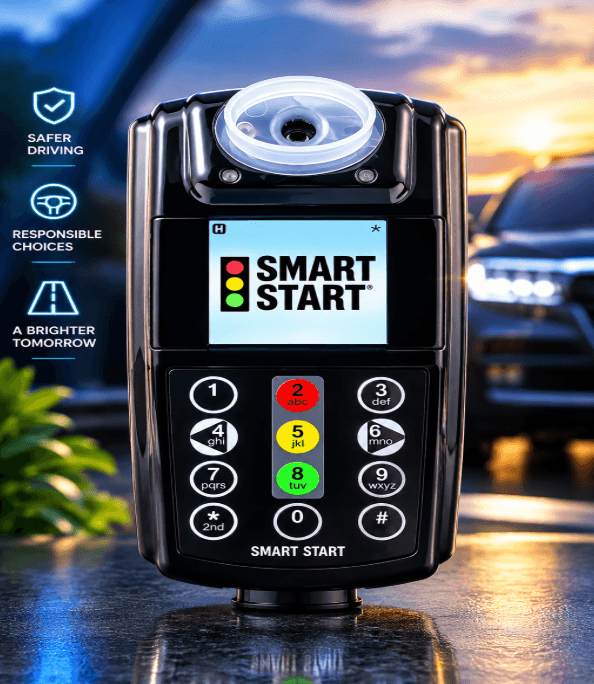
An alcohol ignition interlock is a breathalyser device connected to a vehicle’s ignition system, requiring the driver to provide a breath sample before the engine can be started. When installed, it prevents the vehicle from starting if the system detects a blood alcohol concentration above the allowable limit. This technology is a proven method to deter repeat alcohol-impaired driving offences and promote public safety.
Initial Installation and Activation Requirements
Compliance begins with the proper installation of the interlock device. The installation must be performed by a licensed and certified technician to ensure the system functions correctly. It is essential for program participants to select a reputable service centre offering reliable interlock device installation near me to meet regulatory standards.
Upon installation, participants should ensure the device is calibrated and activated according to all manufacturer and judicial regulations. Records of installation, activation dates, and device serial numbers should be accurately maintained for regulatory review.
Regular and Random Breath Tests
One of the primary compliance obligations involves undergoing regular breath tests using the interlock device every time the vehicle is operated. The device captures breath samples that confirm the driver’s sobriety before allowing the engine to start.
Additionally, many interlock systems are equipped with random retest features that require drivers to provide additional breath samples during operation to prevent circumvention.
Scheduled Maintenance and Calibration
Ensuring the device remains accurate and fully operational involves scheduled maintenance and calibration. Compliance programs typically mandate routine servicing at authorized centres, where technicians verify device accuracy and address any functional issues. Failure to attend these appointments on time can be considered a compliance violation, sometimes resulting in program extension or penalties.
Data Reporting and Monitoring
Modern interlock devices record data such as breath test results, failed attempts, and attempts to tamper with the system. This information is periodically reviewed by program administrators as part of compliance monitoring. Program participants must consent to regular data transmission to the responsible authorities and cooperate fully with monitoring requirements.
Reviewing and Understanding Device Logs
Participants should be aware of the types of data captured and how it affects their program status. Promptly addressing any failed breath tests or malfunction reports is essential to maintaining compliance. Ignoring or failing to report issues may result in legal consequences.
Penalties for Non-Compliance
Violating ignition interlock program conditions can have serious repercussions. These may include fines, extension of the interlock period, or complete program failure, potentially leading to licence suspension or other legal penalties. It is vital for participants to comprehend the strictness of these requirements and maintain rigorous adherence.
Final Removal Procedures
Upon completion of the mandated program duration, participants must undergo final device removal through authorised service centres. A comprehensive clearance assessment typically follows, confirming full compliance. Proper documentation and proof of adherence are often required to reinstate unrestricted driving privileges.
Additional Benefits of Using Smart Start Technology
Program participants are encouraged to use advanced systems such as Smart Start technology which provides reliable, user-friendly interfaces combined with accurate and secure monitoring capabilities. This technology supports regulatory compliance and enhances the overall user experience through innovative features and dependable performance.
Maintaining Effective Communication with Service Providers
Participants should maintain open communication channels with their interlock service providers. This practice helps in promptly resolving issues, scheduling maintenance, and understanding program updates or changes in local laws. Active engagement with providers supports successful program completion.
Compliance Tips for Program Success
To ensure successful compliance, participants should adhere to the following tips:
- Always provide breath samples when requested without attempting to bypass the system.
- Keep track of all maintenance appointments and never skip scheduled calibrations.
- Report any device malfunctions or anomalies immediately to the service centre.
- Maintain clear records of installation, service appointments, and communications.
- Understand the legal requirements and implications in their jurisdiction thoroughly.
The Importance of Legal and Safety Compliance
Adhering to ignition interlock compliance is more than just a legal necessity; it is fundamental to ensuring public safety and promoting responsible driving habits. Compliance helps rebuild trust and reduces the likelihood of future alcohol-related driving offences.
Conclusion
Following an ignition interlock compliance checklist is essential in navigating the requirements and obligations throughout the program duration. From selecting appropriate alcohol ignition interlock devices and ensuring proper installation to attending routine maintenance and respecting data monitoring protocols, each step contributes to a successful outcome. Utilising reputable technologies such as Smart Start systems and engaging with authorised service centres ensures participants maintain compliance and move through their program effectively and confidently.