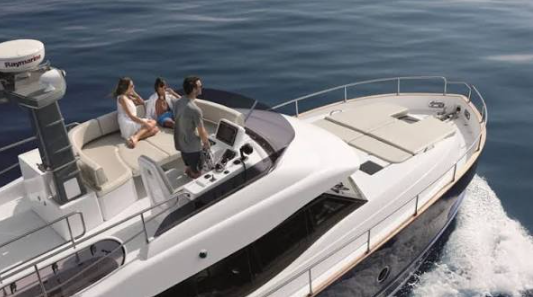
Owning a yacht can provide an exceptional way to travel, relax, entertain guests, and explore coastal destinations. However, maintaining a vessel and coordinating everything required for safe and comfortable operation can involve considerable time and attention. From crew arrangements and maintenance schedules to paperwork, berthing, budgeting, and onboard services, yacht ownership includes many responsibilities that may be difficult to handle alone.
This is where professional support becomes valuable. Effective luxury yacht management can bring different aspects of ownership together under one structured approach, helping owners maintain their vessels while also making better use of their time. Rather than focusing only on technical maintenance, modern management can cover operational, administrative, hospitality, and logistical needs as well.
Understanding the Responsibilities of Yacht Ownership
A yacht is more than a recreational asset. Like any sophisticated vessel, it requires regular inspections, maintenance, cleaning, safety checks, and careful operational planning.
Owners may also need to coordinate with captains, engineers, marina operators, insurance providers, suppliers, and other professionals. When these responsibilities are handled separately, it can become difficult to keep track of schedules and expenses.
A structured management approach helps create clearer responsibilities and records. It can also make it easier to identify upcoming maintenance requirements before they become urgent problems.
Crew Management and Onboard Service
The people operating a yacht have a major influence on the overall experience. Depending on the size and purpose of a vessel, an owner may require a captain, engineers, stewardesses, or other hospitality professionals.
Crew management can include recruitment, administration, scheduling, training, and day-to-day coordination. Professional support may also help ensure that crew members understand both marine safety and hospitality expectations.
When experienced personnel are properly coordinated, owners can spend more time enjoying their yacht instead of dealing with routine operational matters.
Keeping Maintenance Under Control
Regular maintenance is essential for protecting a yacht and keeping it ready for use. Engines, generators, electrical systems, navigation equipment, interiors, and exterior surfaces all require appropriate attention.
A management team can help organize maintenance schedules and maintain records of completed work. Tracking engine and generator hours can also help determine when servicing may be required.
Cleaning is another important consideration. Regular interior and exterior cleaning not only improves appearance but can contribute to a more comfortable onboard environment.
Preventive maintenance is generally easier to manage when inspections and service records are organized rather than handled only when something goes wrong.
Managing Berths and Mooring Arrangements
Finding an appropriate berth can be an important part of yacht ownership, particularly in popular coastal areas where marina space may be limited.
A suitable location needs to take factors such as accessibility, security, vessel requirements, local regulations, and availability into account. Owners who frequently move between destinations may also need assistance coordinating temporary mooring arrangements.
Professional yacht management can help simplify these logistical responsibilities by coordinating with marinas and identifying suitable options based on the vessel’s requirements and travel plans.
Financial Planning for Yacht Operations
Operating a yacht involves more than the original purchase price. Ongoing costs may include fuel, crew expenses, maintenance, insurance, marina fees, cleaning, repairs, supplies, and other operational requirements.
Keeping accurate records can make these expenses easier to understand. Budgeting also allows owners to anticipate recurring costs and prepare for larger maintenance projects.
Professional financial support may include bookkeeping, expense tracking, cost summaries, and assistance with insurance-related considerations. Having organized financial information can make ownership more transparent and easier to manage.
Supporting Safe and Compliant Operations
Safety should remain a central consideration throughout the ownership cycle. Yachts may be subject to different regulations depending on their location, registration, activities, and operating conditions.
Documentation, inspections, insurance, permits, and other formal requirements should therefore be monitored carefully.
A professional management team can assist with paperwork and regulatory procedures, reducing the chance that an important administrative requirement is overlooked. This is particularly useful for owners who operate their vessels across different regions.
Creating Better Experiences for Owners and Guests
Yacht ownership is ultimately about enjoying time on the water. Management services can therefore extend beyond technical responsibilities to include hospitality and guest experiences.
Depending on the owner’s preferences, arrangements may include catering, event planning, personalized itineraries, entertainment, water activities, or other onboard experiences.
Good preparation can make a significant difference. Food preferences, guest requirements, planned activities, and travel schedules can all be considered before a trip begins.
This allows the yacht to function not only as a vessel but also as a comfortable environment for family gatherings, celebrations, business entertaining, or private relaxation.
The Importance of Personalized Management
Every yacht owner has different priorities. Some may use their vessel primarily for family holidays, while others may organize social events or travel between multiple destinations.
For this reason, management should not always follow a one-size-fits-all approach. A useful service strategy considers the vessel itself, how often it is used, where it operates, and the owner’s expectations.
Personalized management can combine technical maintenance, crew coordination, logistics, financial administration, and hospitality according to individual requirements.
Choosing the Right Management Support
Before engaging a management provider, yacht owners should consider the range of services offered and the provider’s relevant industry experience.
It is useful to ask whether the company can coordinate crew, maintenance, berthing, paperwork, safety requirements, financial records, and guest services. Communication is also important because yacht owners need timely updates about operational issues and expenses.
A provider with a broad industry network may also be able to coordinate specialized marine services, spare parts, engineering support, and other requirements when needed.
For owners looking for a structured approach to vessel operations, luxury yacht management can provide a useful framework for bringing these different responsibilities together.
Three Common Questions
1. What does yacht management usually include?
Yacht management can cover a wide range of responsibilities, including crew coordination, maintenance, cleaning, safety compliance, paperwork, financial administration, berthing arrangements, and guest services. The exact scope depends on the vessel and the owner’s requirements.
2. Why is regular yacht maintenance important?
Regular maintenance helps keep the vessel safe, functional, and ready for use. Scheduled inspections and servicing can also help identify potential problems before they develop into more significant repairs.
3. Can yacht management services be customized?
Yes. Management requirements can vary considerably between owners and vessels. Services can often be organized around factors such as yacht size, operating region, frequency of use, crew requirements, maintenance needs, and preferred onboard experiences.
Conclusion
Yacht ownership can be highly rewarding, but it also involves many operational and administrative responsibilities. From crew management and maintenance to financial planning, berthing, safety, and guest arrangements, each area requires appropriate attention.
A structured management approach can bring these responsibilities together and make ownership easier to coordinate. With the right support, owners can maintain their vessels more effectively, prepare for future requirements, and spend more time enjoying the experiences that inspired them to own a yacht in the first place.