Travel once centered on famous landmarks. Visitors went to Paris for the Eiffel Tower or Rome for the Colosseum. Those icons still matter, but modern tourism now depends on a wider mix of experiences.
Entertainment districts play a major role in this shift.
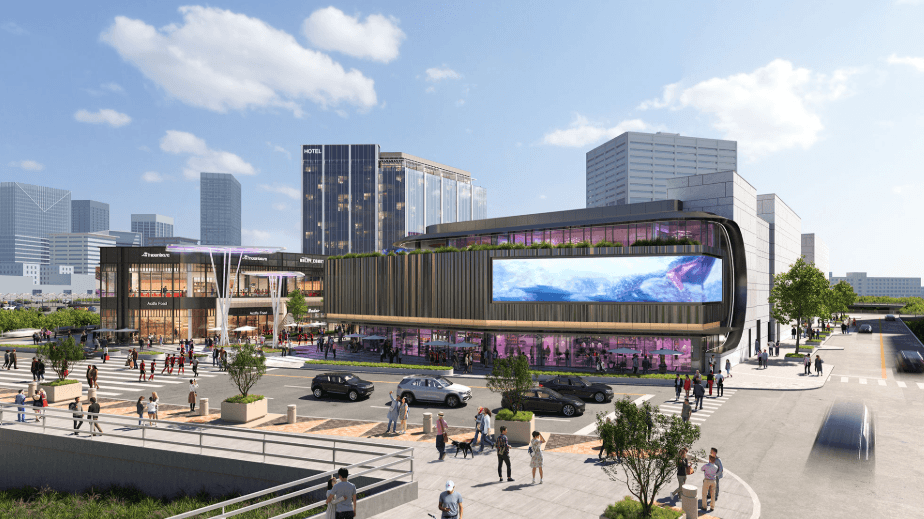
These areas place many attractions within a small space. A visitor can eat at a restaurant, watch a show, shop, attend an event, and return to a nearby hotel without crossing the city. Some districts add museums, sports venues, theme parks, nightlife, or large resort complexes.
This concentration changes how people travel. A district becomes more than a place to visit. It can become the main reason for the trip.
The effect spreads beyond tourists. Hotels gain guests. Restaurants fill tables. Transport services carry more passengers. Events create temporary demand for local workers and suppliers.
Think of an entertainment district as a magnet. One attraction may pull visitors toward it, but nearby businesses help keep them there.
This model has shaped destinations around the world. Cities now compete not only through monuments and scenery but also through dense clusters of experiences that give travelers more reasons to arrive, stay longer, and explore.
Mega-Resorts Turn One Stop Into A Full Trip
Large resorts changed the scale of entertainment tourism. Instead of building one attraction, developers began placing hotels, restaurants, shops, theaters, pools, and event spaces inside one connected complex.
This design makes convenience part of the attraction. Guests can move from breakfast to a concert, then to a restaurant or show without arranging another journey across the city.
Some resort districts also include regulated gaming venues. Travel guides may mention them alongside hotels, live shows, architecture, and dining. Readers who want to read more about such districts often find that the wider tourism story extends far beyond any single form of entertainment.
The model also encourages longer stays. A visitor who comes for one event may add another night because several activities sit nearby. That extra night can mean another hotel booking, more meals, and more local spending.
The effect can spread outside the resort. Taxi firms, tour operators, nearby restaurants, and other local businesses may gain customers as visitor numbers rise.
A mega-resort works like a small town built around leisure. Its strength comes from putting many reasons to stay in one place.
Nightlife Extends The Tourist Day
Traditional sightseeing often follows daylight. Museums close. Tours end. Visitors return to their hotels. Entertainment districts change that pattern by giving travelers reasons to stay outside after dark.
Restaurants, theaters, music venues, cinemas, and late-night events create a second tourism cycle each evening. Streets that serve shoppers during the afternoon may fill with diners and concert crowds at night.
This longer day has economic value. Visitors who remain in an area for six hours usually spend differently from those who leave after two. They may buy dinner, use local transport, attend a show, or stay overnight.
Nightlife also helps districts develop a clear identity. One neighborhood may become known for live music. Another may attract visitors through theater, food, or large entertainment venues.
Good transport matters here. Late trains, buses, taxis, and walkable streets make it easier for crowds to move between hotels and attractions.
Nightlife turns time into part of the destination. Instead of relying on daytime landmarks alone, a city can offer different experiences from morning until late evening.
Events Turn Districts Into Travel Destinations
A major event can change how travelers see an entire neighborhood. A concert, sports match, festival, or convention gives people a clear reason to visit at a specific time.
Entertainment districts benefit because they place many services near the venue. Visitors can stay at nearby hotels, eat before an event, and spend time in local shops afterward.
This creates event-driven tourism. The event starts the trip, but the surrounding district expands it.
A football fan may arrive for one match and stay for a weekend. A concert visitor may book dinner, explore nearby attractions, and spend an extra night in the city. Convention guests often follow the same pattern.
Districts can also host different events across the year. This helps spread visitor demand beyond the main holiday season.
Think of the event as an anchor. It gives travelers a fixed point around which they can build the rest of their trip.
Successful entertainment districts turn short events into wider travel experiences. The more useful attractions and services they place nearby, the easier it becomes for visitors to extend both their stay and their activity beyond the main event.
Walkability Keeps Visitors Inside The District
A strong entertainment district does not depend only on attractions. It also needs to make movement simple.
Walkability plays a major role. When hotels, restaurants, shops, and venues sit close together, visitors can move between them without planning each trip. Wide sidewalks, clear signs, safe crossings, and short blocks make the district easier to explore.
This layout can change tourist behavior. A traveler walking back from a museum may notice a café, market, or theater that was not part of the original plan. That unplanned stop adds another experience to the trip.
Public transport extends the same effect. Metro stations, trams, and bus routes can connect the district with airports, railway stations, and other parts of the city.
Poor access creates the opposite result. Long distances and difficult transfers turn simple activities into separate journeys.
Think of a good entertainment district as a connected room rather than a row of locked boxes. Easy movement helps separate attractions function as one destination.
When visitors can explore without constant transport planning, they have more freedom to discover what the district offers.
Mixed Attractions Encourage Longer Stays
A district becomes more useful to tourists when it offers different types of experiences in the same area. Variety gives travelers more reasons to stay beyond a single event or attraction.
A family might visit a theme park during the day and eat nearby in the evening. Business travelers may attend a conference, then explore local restaurants or shops. Other visitors may combine museums, live shows, sports, and nightlife during one trip.
This mix helps destinations serve different groups at the same time.
It also reduces dependence on one attraction. A concert venue may sit empty between events, while restaurants and shops continue to draw visitors. Indoor attractions can support tourism when bad weather limits outdoor plans.
The result is a more flexible district.
Think of it as a menu rather than a single dish. More choices allow more visitors to build a trip that suits their interests.
For tourism planners, variety can also turn short visits into overnight stays. When travelers see enough worthwhile activities within easy reach, leaving after a few hours becomes less attractive.
Entertainment Districts Reshape The Wider City
Successful entertainment districts can influence areas far beyond their main attractions. Visitor demand creates pressure for more hotels, better transport, new restaurants, and improved public spaces.
Businesses often gather near busy districts because tourists create a steady flow of potential customers. A quiet street can gain cafés, shops, and accommodation as visitor numbers grow.
Transport networks may change too. Cities can add bus routes, rail connections, pedestrian areas, or taxi zones to handle larger crowds. These improvements may also help residents move through the city.
The effect can reach a destination’s global image. A district known for music, sports, food, theater, or large events may become closely tied to the city’s identity.
Yet growth needs space and planning. Heavy visitor traffic can place extra pressure on roads and public services. Good design helps spread people across a wider area instead of forcing every visitor through the same few streets.
Think of an entertainment district as a stone dropped into water. Its economic and physical effects move outward in rings.
When cities plan those effects well, entertainment tourism can support wider changes in how visitors experience the destination.
Tourism Grows When Experiences Work Together
Modern entertainment districts succeed because they combine many parts of a trip in one connected place. Hotels provide a base. Restaurants extend the day. Events create a reason to travel. Shops, theaters, museums, and other attractions give visitors reasons to stay.
No single feature explains their impact.
The strongest districts make these elements easy to reach and easy to combine. A visitor can arrive for one event and discover several other experiences within walking distance. This turns a short visit into a fuller trip.
Good transport and public spaces strengthen the effect. Mixed attractions help districts serve different visitors and remain active at different times of day.
The wider city can benefit as demand spreads to nearby hotels, transport services, restaurants, and local businesses.
Entertainment districts therefore shape tourism through concentration and connection. They place many experiences close enough to support each other.
For travelers, that means more choices within less space. For destinations, it creates a powerful reason to stay longer rather than simply arrive, see one attraction, and leave.