If you’ve spent even ten minutes searching “best trekking company in Nepal,” you already know the problem. Hundreds of agencies show up, all promising the same thing — amazing views, expert guides, and unbeatable prices. It gets confusing fast, and honestly, a lot of the listings start to blur together after a while.
Here’s the thing, though: the real difference between agencies rarely shows up on the website. It shows up on the trail, three days in, when the weather turns or someone in your group starts feeling the altitude. That’s when local experience, proper safety habits, and honest communication actually matter.
A good trekking agency in Nepal does a lot more than sell you a package. They sort out your permits, line up guides who actually know the terrain, arrange accommodation and transport, and stay ready in case something goes sideways. This becomes especially important on routes like the Annapurna Circuit trek and the Annapurna Base Camp trek, since both trails throw different challenges at you depending on the season, your fitness, and how much time you’ve got.
But let’s not make this only about logistics. The Himalayas aren’t just a checklist of viewpoints and passes. They’re the tea house owner who remembers your name on day two, the sudden fog that swallows an entire valley, and the silence right before sunrise hits the peaks. Getting the practical stuff right is what lets you actually be present for those moments instead of stressing over whether your permit paperwork is in order.
Why Choosing the Right Trekking Agency in Nepal Matters
Local Experience Makes a Big Difference
Trails in Nepal change constantly, and not in small ways. A route that was fine last October might have a landslide section this year. Weather patterns shift, tea houses open and close between seasons, and permit rules get updated more often than travellers expect.
This is exactly where experience pays off. Agencies that have been running treks for years tend to bring the following:
Guides who actually grew up around these mountains, not just people who memorized a script. Route planning that accounts for how your specific group moves, not a copy-pasted itinerary. Realistic day-by-day schedules instead of overly ambitious ones that sound great on paper. And when something unexpected happens — bad weather, an injury, a closed trail — they know what to do without panicking.
Safety Should Always Come Before Price
It’s tempting to book whoever quotes the lowest price. But cheap doesn’t always mean good value, especially at altitude where things can go wrong quickly.
The agencies worth trusting spend money on things you won’t necessarily notice upfront — proper guide training, altitude sickness awareness, first aid kits that are actually stocked, and emergency evacuation plans that aren’t just theoretical. A serious trekking agency in Nepal treats your safety as the whole point, not an afterthought to selling a package.
Understanding Nepal Trekking Before Choosing a Package
Nepal Offers Different Trekking Experiences for Every Traveller
Not every trek in Nepal is a grueling high-altitude slog. There’s a huge range here — short walks perfect for beginners, multi-week wilderness routes for the more adventurous, and cultural village trails where the scenery is almost secondary to the people you meet along the way.
That said, the Annapurna region keeps coming out on top as one of the most popular destinations, and it’s easy to see why. You get mountain scenery that changes by the hour, landscapes that shift from subtropical forest to alpine desert, and villages where different ethnic communities live side by side within a single trek.
Annapurna Circuit Trek: A Complete Himalayan Journey Around the Annapurna Region
What Makes the Annapurna Circuit Trek Special?
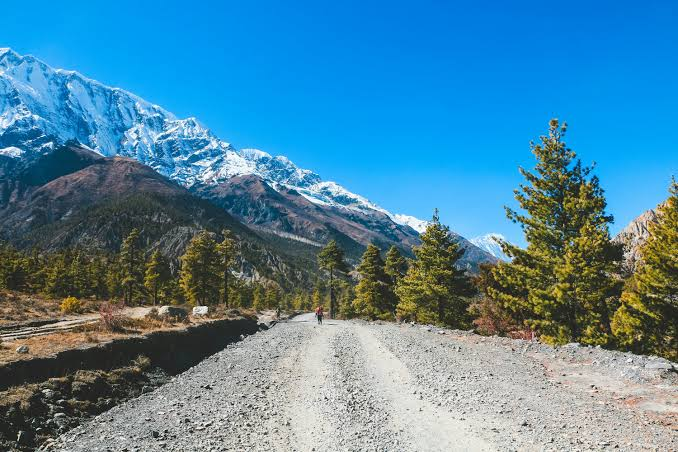
The Annapurna Circuit trek is one of those routes that’s earned its “classic” label the hard way. It’s long, it’s varied, and it takes you through nearly every kind of terrain Nepal has to offer — dense subtropical forest at the lower elevations, then gradually thinning air as you climb toward high mountain desert that looks almost lunar in places.
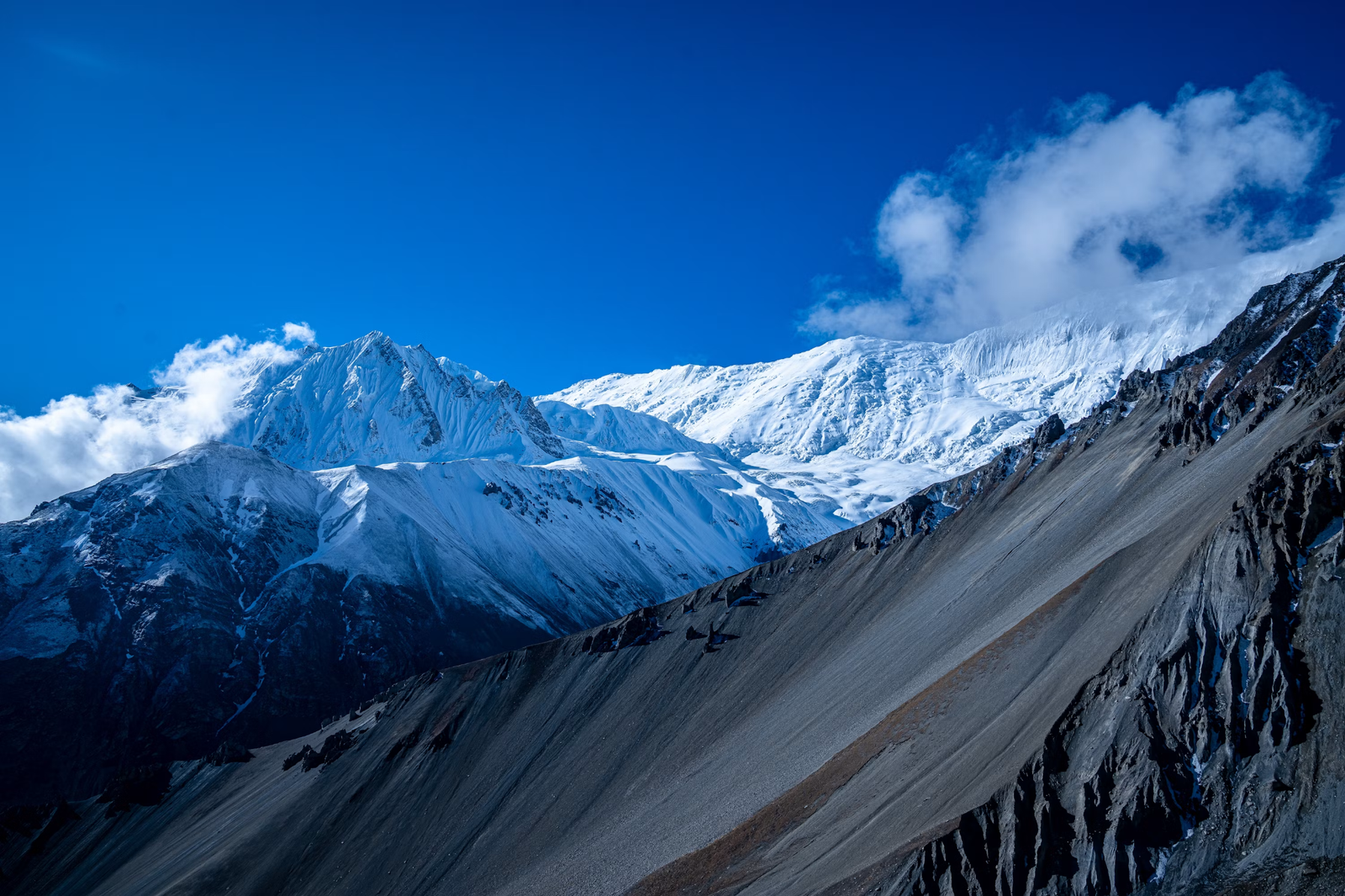
Along the way you’ll pass through villages that feel worlds apart from each other despite being on the same trail, cross rivers, walk past waterfalls, and catch glimpses of some genuinely jaw-dropping Himalayan viewpoints. The crossing of Thorong La Pass, sitting well above 5,000 metres, is the moment most trekkers remember long after they’ve forgotten the sore knees.
Best Experience You Can Expect During the Annapurna Circuit Trek
Expect a mix of things on this trek — dramatic mountain views one day, a quiet conversation with a local family over dal bhat the next. Tea house accommodation along most of the route means you’re never too far from a hot meal, even in fairly remote sections.
Some days genuinely feel easy, almost meditative — flat trails, good weather, easy conversation with fellow trekkers. Other days test you, particularly as you climb higher and the air gets thinner. Your legs might feel fine, but your lungs disagree. That contrast is part of what makes the circuit feel like a real journey rather than just a walk.
Who Is the Annapurna Circuit Trek Suitable For?
This route works well for experienced trekkers who want a longer, more complete Himalayan experience. It also suits first-timers tackling high altitude, as long as they’ve put in genuine fitness preparation beforehand. Walking hours increase noticeably in the higher sections, so showing up without any conditioning is asking for trouble.
Annapurna Base Camp Trek: Walking Into the Heart of the Mountains
Why Travellers Love the Annapurna Base Camp Trek
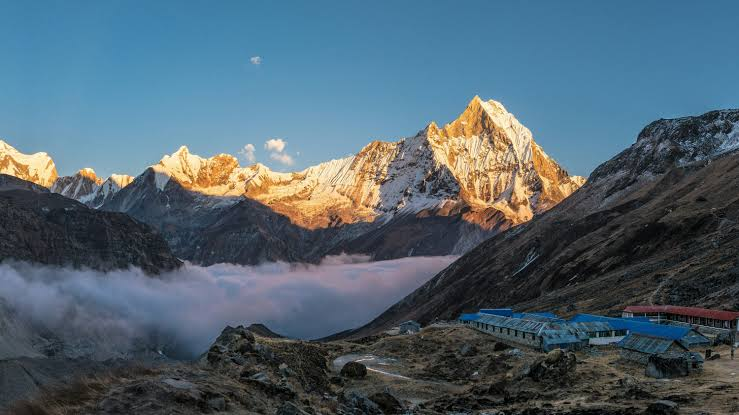
Where the circuit takes you around the Annapurna massif, the Annapurna Base Camp trek takes you straight into its heart—literally into the Annapurna sanctuary, ringed by some of the most striking peaks in Nepal. It delivers that up-close Himalayan feeling in a noticeably shorter timeframe than the full circuit.
People come back talking about the sunrise at base camp specifically—that moment when the peaks around you catch the first light and turn gold, then pink, then just blindingly white. Add in the rhododendron forests lower down, traditional Gurung and Magar villages along the trail, and that overwhelming sense of scale once you’re actually standing among the giants, and it’s easy to understand the trek’s popularity.
Annapurna Base Camp Trek Difficulty and Preparation
This is generally considered a moderate trek, though “moderate” still means real daily walking distances and genuine altitude to account for. Preparation matters here too — proper acclimatization days, sensible packing, and not underestimating how cold nights get near base camp.
A trekking agency in Nepal worth its reputation will walk you through exactly what to expect rather than dressing things up to sound easier than they are. Realistic expectations make for a much better trip than surprises on day five.
Annapurna Circuit Trek vs Annapurna Base Camp Trek: Which One Should You Choose?
This comes up constantly, and there’s no universal right answer.
The Annapurna Circuit trek is the longer adventure—more landscape variation, the high pass experience, and generally a fuller sense of having “done” the Annapurna region. The Annapurna Base Camp trek, on the other hand, is shorter, more straightforward to plan, and gets you those close-up mountain views without needing weeks of holiday time.
Neither one is simply “better” than the other. It really comes down to your travel style, how much time you’ve actually got, your fitness level, and what kind of Himalayan experience you’re chasing. Someone wanting a deep, immersive journey might lean toward the circuit. Someone with ten days and a strong itch to stand under Annapurna’s peaks might find the base camp trek is exactly enough.
What to Look for in a Trekking Agency in Nepal
Experienced Local Guides
A good guide is worth far more than someone who just points which way to walk. They handle safety calls in real time, smooth over communication with locals, explain cultural context you’d otherwise miss entirely, and solve problems before they become emergencies.
Transparent Trekking Packages
This is where a lot of agencies fall short. A trustworthy company should spell out clearly what’s included and what isn’t, what kind of accommodation to expect, how transportation is arranged, whether guides and porters are part of the deal, and what permits you’ll need to sort out. If a quote seems vague or oddly cheap, ask why — there’s usually a reason.
Responsible and Sustainable Trekking Practices
The best agencies think beyond just getting you up the mountain and back. They support local communities economically, respect natural surroundings, actively work to reduce waste along popular routes, and follow responsible tourism principles that keep these trails viable for the next generation of trekkers too.
Best Time for Annapurna Circuit Trek and Annapurna Base Camp Trek
Spring Season (March to May)
Spring brings pleasant daytime temperatures and, if timing works out, rhododendron forests in full bloom — genuinely one of the prettiest sights on either trek. Mountain scenery is usually clear, though afternoon clouds can roll in.
Autumn Season (September to November)
This is peak season for a reason. Weather tends to be stable, visibility is often excellent, and it’s simply the most popular window for both routes. Expect busier trails and tea houses, but also some of the best mountain views you’ll get all year.
Winter and Monsoon Considerations
Winter brings serious cold at higher elevations, and some passes can become difficult or risky to cross. Monsoon season means rain, leeches on lower trails, and clouded-over mountain views. Neither is impossible, but both require much more careful planning and flexibility—which is exactly where a knowledgeable agency earns its keep.
How a Trekking Agency in Nepal Helps You During Your Journey
The support goes well beyond just the days you’re actually walking.
Before you even land in Nepal, a good agency helps with trip planning, permits, and honest equipment advice so you’re not over- or under-packing. During the trek itself, that support continues through guide assistance, accommodation arrangements, and emergency response if anything goes wrong. And once the trekking part wraps up, they’ll usually help with onward transportation and honest recommendations for what to do next.
Working with an experienced trekking agency in Nepal really does free you up to just enjoy the mountains instead of juggling logistics in your head every evening.
Final Thoughts: Choosing Your Nepal Trekking Experience Wisely
Trekking in Nepal was never really just about the mountains. It’s about the people you share a fireplace with at 4,000 meters, the culture you brush up against on every trail, and that quiet sense of achievement when you finally reach a pass or a viewpoint you weren’t sure you’d make it to.
Both the Annapurna Circuit trek and the Annapurna Base Camp trek offer unforgettable experiences, just in very different shapes. What ties it all together, though, is picking the right trekking agency in Nepal — one that makes the whole journey smoother, safer, and genuinely more meaningful.
In the end, the best Himalayan memories rarely come from the itinerary at all. They come from the small stuff—a conversation with a villager who insists you try their tea, a still mountain morning that nobody else is awake for, or that particular feeling of reaching a viewpoint after a day that nearly broke you.
FAQs: People Commonly Ask on Google
1. How do I choose the best trekking agency in Nepal?
Look for a trekking agency with local experience, professional guides, transparent pricing, and solid safety practices, plus genuine traveler reviews you can actually verify. A reliable company gives you clear information rather than unrealistic promises.
2. Is the Annapurna Circuit trek harder than the Annapurna Base Camp trek?
Generally, yes. The Annapurna Circuit trek is longer and includes the high Thorong La Pass, which adds real difficulty. The Annapurna Base Camp trek is shorter and considered moderate, though altitude and weather still call for proper preparation.
3. How many days are needed for the Annapurna Base Camp trek?
Most itineraries run somewhere between 7 and 12 days, depending on your starting point, walking pace, transportation choices, and how much acclimatization time you build in.
4. What is the best month for the Annapurna Circuit trek?
Spring (March to May) and autumn (September to November) are usually the best windows, thanks to more comfortable weather and clearer mountain views.
5. Do I need a guide for the Annapurna Circuit trek or the Annapurna Base Camp trek?
It’s highly recommended, especially if it’s your first time in the region. A local guide brings route knowledge, safety support, cultural context, and quick problem-solving if something unexpected comes up on the trail.