Every Quebec fishing outfitter will tell you the fishing is good. That is the easy part. Anyone can say it. The harder question is what happens to the lake after you drive home, and whether the fish will still be there when you come back in five years.
A promise sounds fine at the sports show. A Quebec fishing outfitter leans on his table, shakes your hand, and tells you the walleye run thick and the pike run big. Maybe they do. But a handshake guards nothing once the season turns slow and the bills become due. The lake at the end of this bush road stays full for a plainer reason. The rules that protect it are written into provincial law, not into a glossy page on a website.
A Promise Only Lasts As Long As The Person Making It
Think about what a promise really is. It rides on the mood of the man making it, the size of the group paying him, and how the year is going. A slow season tempts a camp to bend its own rules. A big-spending party asks to keep a few extra fish for the cooler, and plenty of camps say yes, because keeping the customer happy pays for the gas and the propane. House rules bend. They always have.
The fish pay for that bending. A lake that gets stripped of one good fish at a time looks fine for a few seasons. Then the catch rate starts to slide. The big ones go first. By the time anyone says it out loud, the slide has taken years to build and takes far longer to turn around. You drive eight hours expecting the lake from the brochure, and you catch hammer-handles all week. That is the trip nobody talks about on the way home.
See also:Business Trips and Family Travel Feel Smoother with Reliable Intercity Taxi Support
What The Law Actually Does On This Lake
Walleye between 14.5 and 21 inches go back in the water. Not because the owner asks you to be a good sport. Because Quebec says so, and the province enforces it. That slot covers the prime breeding fish, the ones that keep the lake making walleye on its own. Pull them out and the whole thing thins. Leave them in, and the lake feeds itself, season after season, the way it has for longer than most camps have been open.
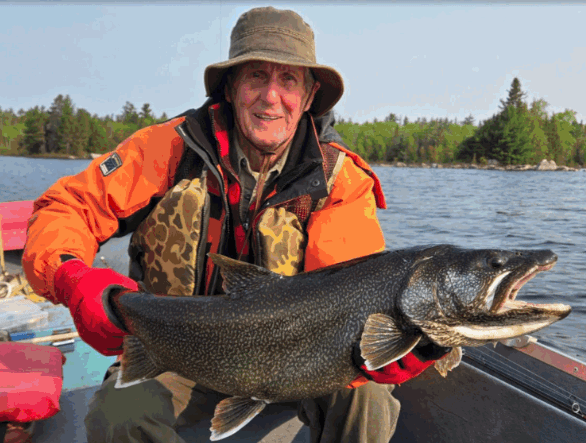
You still take fish home. The 14 to 21-inch walleye are the workhorses, the eaters that fill a shore lunch plate on a sand beach at noon. Pike here run 24 to 32 inches as everyday fish, with 40-plus-inch water-wolves in the mix for the angler who works for them. Lake trout come in season and go back to fight another day. The slot does not stop you from fishing. It stops the lake from being emptied.
This fishery reproduces on its own. Nobody stocks it. No truck backs down to the shore each spring to dump hatchery fish and prop up the numbers. Walleye, northern pike, and lake trout all spawn here without help. The native word the lake takes its name from means fish hatchery, and the water lives up to it.
Why A Closed Winter Beats A Friendly Handshake
There is no winter fishing here. None at all. The lake gets a full off-season to rest under the ice, and that closure is law too. No augers, no shacks, no pressure on fish that sit slow and easy to catch in the cold.
Lots of lakes get worked hard through the ice and never recover their summer bite. A camp can promise it will be easy in winter and still watch its numbers drop. A legal closure takes the promise out of it. The fish get the cold months to themselves. You get a lake in spring that had nobody on it for half the year.
What This Means For The Drive Up
You are weighing a long trip. Sixty miles up a logging road past the last town is no small decision, and you want to know it will pay off before you load the truck. Here is the honest version. A promise gives you a good feeling the day you book. A law gives you a lake that still produces the day you arrive.
Ask the next outfitter you talk to who enforces their fish rules. If the answer is the owner, the rule holds only as long as the owner wants it to. If the answer is the province, the rule outlasts everybody, the camp included. That is the gap between hoping the fishing holds up and knowing why it does.
The catch photos in the gallery are dated by month and year on purpose. They show what the lake is giving up now, not what it gave up five seasons back. Look them over, then call about a cabin.
Reservations and contact details are athttps://ogascanan.com.