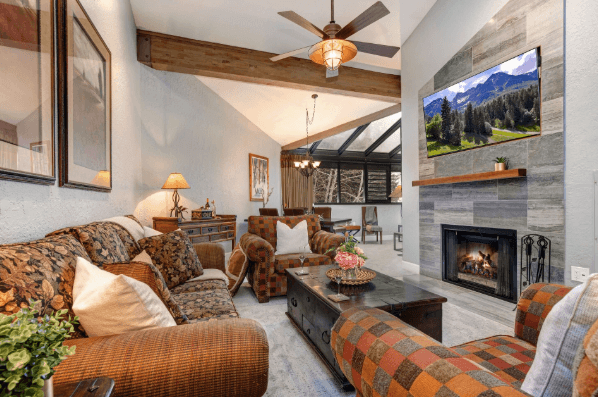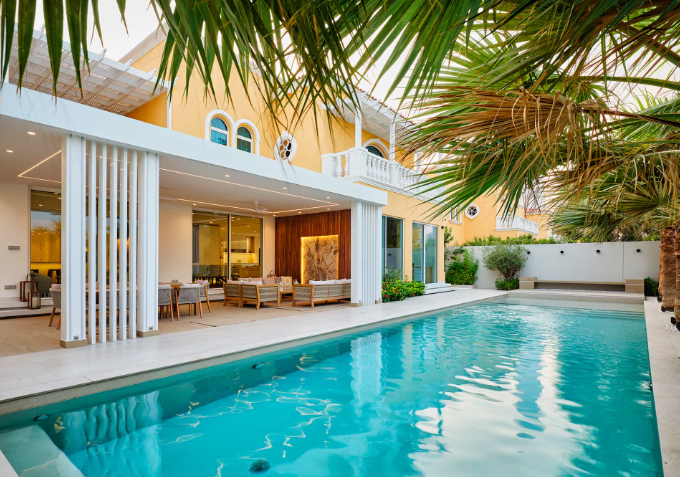
A villa transformation is rarely successful through design ideas alone. It requires careful assessment, realistic planning, technical coordination, and attention to how each space will be used. Working with a villa renovation specialist can help homeowners approach complex renovation decisions with greater clarity, particularly when structural improvements, interiors, lighting, materials, and outdoor areas must work together. A thoughtful process ensures that the finished villa is not only visually refined but also comfortable, practical, durable, and suited to changing lifestyle needs.
Understanding The Villa Before Redesign
Every property has its own character, structure, limitations, and opportunities. Before introducing new design ideas, it is important to understand the existing building thoroughly.
An initial assessment can reveal issues involving flooring, walls, plumbing, electrical systems, ventilation, insulation, or structural elements. Identifying these conditions early gives homeowners a clearer picture of what needs to be retained, repaired, replaced, or redesigned.
This stage also helps prevent decisions based purely on appearance. A beautiful concept may not work effectively if it ignores the property’s existing infrastructure.
Building A Clear Renovation Direction
Once the villa has been assessed, the next step is establishing a clear direction for the project. Homeowners may want a contemporary interior, improved family spaces, larger entertaining areas, or better connections between indoor and outdoor environments.
Defining these priorities creates a stronger foundation for design decisions. Instead of adding features individually, every improvement can contribute to a consistent overall vision.
A clear direction also makes it easier to determine which elements require major investment and which improvements can be achieved through simpler design changes.
Choosing Materials With Purpose
Materials influence much more than appearance. They affect durability, maintenance, comfort, acoustics, and the overall character of a villa.
For high-use areas, surfaces should be able to withstand regular activity without requiring excessive maintenance. In quieter areas, material selection can focus more strongly on warmth, texture, and visual comfort.
Climate conditions should also be considered. Heat, humidity, sunlight, and dust can influence how different materials perform over time. Choosing finishes according to actual environmental conditions helps protect the long-term quality of the renovation.
Using Lighting To Shape Experience
Lighting can completely change how a renovated villa feels. Natural daylight, ambient illumination, task lighting, and accent lighting each serve different purposes.
During planning, designers can consider how daylight enters each room and whether existing layouts limit its distribution. Where appropriate, openings, partitions, and reflective surfaces can be reconsidered to create brighter interiors.
Artificial lighting then adds flexibility. Kitchens may need focused illumination, living rooms can benefit from layered lighting, and bedrooms may require softer sources that encourage relaxation. Thoughtful lighting planning is an essential part of villa renovation, helping create interiors that feel comfortable, functional, and visually balanced throughout the day.
Connecting Interiors With Outdoor Areas
A villa’s outdoor environment should not be treated as an afterthought. Gardens, terraces, balconies, pool areas, and outdoor seating can become important extensions of the living space.
Creating visual and physical connections between indoor and outdoor areas can make the property feel more open. Large openings, coordinated flooring, carefully positioned furniture, and consistent design language can strengthen this relationship.
Outdoor planning should also consider privacy, shade, drainage, maintenance, and weather exposure. These practical details determine whether an exterior space remains enjoyable over time.
Integrating Modern Technical Systems
Renovation provides an opportunity to improve the hidden systems that support everyday comfort. Electrical infrastructure, cooling, plumbing, security, lighting controls, and smart home technology can all be reconsidered.
Technical systems should be coordinated with the design rather than installed as separate additions. Poor coordination can create visible cables, awkward access points, or unnecessary disruption to finished surfaces.
Early technical planning allows infrastructure to remain discreet while providing reliable performance. This becomes especially important in larger villas where multiple systems need to operate together.
Maintaining Design And Construction Balance
A strong renovation requires cooperation between creative and technical teams. Designers may develop an attractive concept, but construction specialists must determine how accurately and efficiently that concept can be delivered.
Working with an experienced villa renovation specialist helps connect creative planning with practical construction requirements. Regular coordination helps identify potential conflicts before construction reaches advanced stages. It also allows adjustments to be made without compromising the overall design.
This balance between imagination and practical execution is one of the most important factors in achieving consistent renovation quality.
Managing The Project From Start To Finish
Large renovation projects involve numerous decisions, deliveries, trades, inspections, and construction stages. Without proper coordination, small delays can quickly affect the wider schedule.
Project management helps organize these activities according to a logical sequence. Materials need to arrive when required, technical work must be completed before certain finishes, and inspections need to happen at appropriate stages.
Professional oversight also creates a clearer communication process for homeowners. They can understand what has been completed, what comes next, and where decisions may be required.
See also: Why the Right Quebec Fishing Outfitter Protects the Lake by Law, Not by Promise
Protecting Quality During Construction
The design stage establishes the vision, but construction determines whether that vision becomes reality. Quality control is therefore essential throughout execution.
Workmanship should be checked at different stages rather than only when the project is almost finished. Flooring alignment, cabinetry installation, wall finishes, lighting positions, plumbing connections, and other details all benefit from regular inspection.
Early quality checks make corrections easier and help prevent small problems from becoming expensive repairs later.
Conclusion
Expert planning can significantly improve the quality and efficiency of a villa transformation. From understanding the existing property and redesigning layouts to selecting durable materials, coordinating technical systems, and maintaining construction standards, every stage contributes to the final result. A well-planned villa renovation creates more than a refreshed appearance; it creates a home that works better for the people who live in it.
For homeowners seeking a carefully coordinated approach, Haifa Renov8 represents an option for combining thoughtful design, technical planning, and precise execution to create villas that are comfortable, functional, and built for long-term living.