Reaching Everest Base Camp is a dream for many travelers, but the high altitude makes proper preparation just as important as physical fitness. Many of them opt for a shorter trip to the mountains because they don’t have a long vacation, but also keep the stay to a minimum, so the body will have a shorter time to get used to the thin air.
This is why it is important to know about altitude and how it will impact your body before going on the journey. This Everest Base Camp Short Trek Altitude Guide outlines the mechanism of acclimatization, what is meant by Acute Mountain Sickness (AMS) and how to minimize the risks on your trek to Everest Base Camp.
Everest region is one of the highest trekking regions in the world. The amount of oxygen decreases the higher you get. These changes take time for your body to adjust to. Even healthy and experienced trekkers can get altitude sickness if they are not properly acclimatized. Knowing the signs, prevention and safe trekking techniques can make your adventure fun and safe.
The knowledge of altitude is always a component of preparation, whether one is going on his or her first trek in the Himalayas or has already trekked in the mountains. The knowledge is very important before the journey that leads to a big difference at the higher part of the Everest trail.
Understanding the Altitude on the Everest Trail
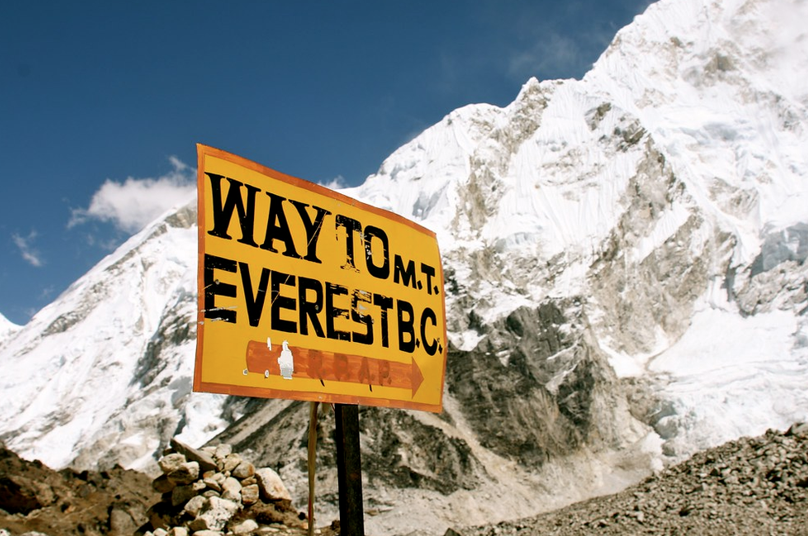
The trip starts with a flight to Lukla (2,860 m / 9,383 ft). The path then gently ascends through the villages of Phakding, Namche Bazaar, Tengboche, Dingboche, Lobuche, Gorakshep and eventually to the base camp of Everest.
The elevation of Everest Base Camp is 5364m (17,598ft) and many trekkers also trek to Kala Patthar (5545m/18,192ft). The amount of oxygen at these altitudes is considerably less than at sea level. The low oxygen concentration is the primary cause of breathing difficulties, fatigue, headache and other altitude symptoms.
The shorter the trek, the faster the climb is likely to be. This means that time will be saved, but it also means that the need for proper acclimatization along the way becomes more important.
Why Acclimatization Is So Important
The body adjusts to living at higher elevations, but it takes time. The rate of breathing will increase, the heart will pump faster and your body will slowly make more red blood cells to transport oxygen more efficiently as you climb. The readjustment period is known as acclimatization.
There is no such thing as an “urgency” to complete the Everest Base Camp Acclimatization. Each adapts in his or her own way, no matter his or her age or fitness level. Someone who has a habit of running marathons can still suffer from altitude sickness and another person who has a moderate fitness level can experience no ill effects at all.
If they discontinue the acclimatization process and simply try to go on climbing with symptoms, the disease can become hazardous. The more time you spend at the higher villages, the more you will be able to adjust before you reach even higher elevations.
What Is Acute Mountain Sickness (AMS)?
Acute Mountain Sickness (AMS) is the most common altitude sickness which is suffered by trekkers in the Himalayas. It is typically found after reaching heights of over 2500 m (8202 ft), but is more prevalent above 3000 m (9843 ft).
AMS is caused by the fact that the body is not yet accustomed to lower oxygen levels. It can impact anyone, even based on their age, sex or physical fitness. AMS may occur in experienced trekkers who travel too fast.
Fortunately, most cases of AMS are simple and can be cured by good rest, fluid intake and acclimatisation. Failure to treat symptoms or climbing without symptoms can result in more severe altitude illnesses.
Common Symptoms of AMS
One of the most crucial aspects of staying safe on the Everest Base Camp short trek is the ability to identify the signs and symptoms of trouble early on. Typically, mild AMS starts with a headache that does not go away with a drink of water or rest. Many trekkers experience fatigue, dizziness, diminished appetite, nausea or trouble sleeping as well.
Some people have a feeling of shortness of breath even when walking slowly; others have less energy all day. It’s important that these symptoms can’t be ignored because they are indications that the body may require more time to adapt.
When things worsen and do not improve, it is best to discontinue the ascent and let the system recuperate.
Serious Altitude Illnesses
While rare, severe altitude illnesses should be treated promptly. High Altitude Pulmonary Edema (HAPE) and High Altitude Cerebral Edema (HACE) are the two most serious conditions.
HAPE is the accumulation of fluid in the lungs. Symptoms are difficulty breathing, frequent cough, difficulty breathing and trouble walking even on level ground.
The brain is involved in HACE and can cause confusion, poor balance, slurred speech, abnormal behavior and sleeping problems. Both conditions are life-threatening and must be descended to a lower altitude and emergency medical treatment (if possible) provided.
These signs can be lifesaving in the high mountains.
How Acclimatization Days Help
A well-planned Everest Base Camp Acclimatization program will feature scheduled rest days at key villages like Namche Bazaar (3,440 m/11,286 ft) and Dingboche (4,410 m/14,469 ft).
Rest Day does not mean spending the day in the lodge. Typically, during the day, trekkers are escorted to a higher altitude and then back to their sleeping areas at night at the same level. This follows the “climb high and sleep low” principle, which means that they are able to step up to higher elevations and then be able to catch up on sleep at night.
The acclimatization days are a necessary part of the trek and they make it much less likely that someone will get altitude sickness and will not make it to the summit.
Tips for Preventing AMS
After this, on an Everest Base Camp Short Trek Altitude Guide, they start climbing slowly at all times they can. Walking at a moderate pace allows your body to adapt naturally and will not cause unnecessary strain. It’s of little use if they get to the lodge ahead of you, only to find you are all worn out.
It’s also crucial to be well hydrated. The dry mountain air frees up more water to be lost through breathing, which results in dehydration occurring more often than many mountain trekkers are aware. Proper hydration throughout the day is important for the normal functioning of the body and is also beneficial in minimizing some of the symptoms of dehydration.
It is also important to consume regular meals. Your body requires energy even if your appetite seems to go down and to meet the energy demands of trekking at high altitudes. Carbohydrate-rich foods are easily digestible and can provide rapid energy during the ascent.
You also need to get enough sleep, avoid excessive alcohol intake and reduce smoking to adjust your body properly.
Should You Take Altitude Medication?
A lot of trekkers wonder about taking Diamox/Acetazolamide before high elevation. This medication can help accelerate the body’s acclimatization process and can minimize the risk of developing AMS.
But don’t use Diamox as a replacement for acclimatisation. Even when pharmacologic treatment is used, it is important to adhere to the gradual ascent and not neglect the symptoms.
If you are taking some form of altitude medication, always talk to your doctor first about possible side effects, allergies and whether it is recommended for your own health condition.
Fitness Does Not Prevent Altitude Sickness
A common misconception is that physically fit people are immune to developing AMS. In truth, fitness does not greatly affect the responses of your body to high altitude.
In fact, more ambitious trekkers could be at greater risk since they are likely to walk further and to put more elevation on themselves. Anyone can suffer from altitude sickness and high rates of ascent will make that more likely.
The best way is to walk at a leisurely pace, be mindful of your surroundings and take frequent breaks rather than trying to keep up with others on the trail.
What to Do If You Develop Symptoms
The most important rule for an Everest Base Camp Short Trek is NEVER ignore symptoms! If you start to feel dizzy, develop a headache or feel nauseous, tell your guide right away.
When elevation is the sole factor of change, symptoms can improve if the trekker is allowed to rest at the same elevation the next day. When symptoms persist or worsen, it is normally best to lower the elevation.
It never helps to try to force through AMS and will likely make it worse. A quick descent may be enough to avoid a medical emergency and give the time to recover before going on with the trek.
See also: Why Self-Drive Travel Is Becoming the Future of Global Tourism
The Importance of Trekking with an Experienced Guide
Professional guides are a great help in achieving a healthy altitude profile during the walk. They can check trekkers regularly for problems and can be able to notice problems even before they get severe.
Guides also assist in regulating the pace of walking, remind participants to drink water regularly and make changes to the program as needed. They are familiar with the route and nearby medical facilities and can act swiftly in emergencies.
The first time you are on a trek, it’s always helpful and reassuring to have someone who knows what to expect and can help you with it.
Weather and Altitude Together
The body will also react differently to the weather at high elevations. Cold weather, high winds and dry air are added stress factors to the body and can lead to fatigue.
Many trekkers increase their respiratory rate during colder months due to the dry mountain air, which causes them to lose more water. Under these conditions, it is even more crucial to stay warm, properly dressed and hydrated.
Weather does not directly trigger AMS, but can aggravate it.
Recovery After Descending
A good thing about high altitude sickness is that it’s often transient and improves rapidly when you go back down. Simply stepping down a few hundred meters can make breathing easier and alleviate headaches or dizziness.
Most trekkers feel better in a few hours once they have hit a lower elevation. Depending on the severity of the symptoms, recovery can take place over the following day or two.
Final Thoughts
Safety starts and ends with respecting the altitude: This is a message that will be highlighted in this Everest Base Camp Short Trek Altitude Guide. If you are willing to be patient and give the body enough time to adjust to a journey, the Himalayas will treat you accordingly and you will find more success at the end.
Knowledge of the effects of altitude, signs and symptoms of AMS, safe acclimatisation routines, drinking lots of water, eating well and listening to the guidance of experienced trekkers are all contributing factors to a safe trekking experience. No two trekkers will be the same – don’t compare yourself to others on the trek.
By planning responsibly and with care, an Everest Base Camp Short Trek can be one of the most rewarding experiences in your life. Treat the mountains with respect, take your time to acclimatize with proper strategies for Everest Base Camp Acclimatization and take pleasure in every step towards the foot of the world’s highest peak.